Custom Iron Doors vs Stock: The Difference Is Not Just the Price Tag Your Iron Door Is Letting the Cold In: Introducing …
- 402-932-9571

Iron doors in warm climates work exceptionally well. The question is not whether they perform. It is what you need to specify for a home that never drops below freezing, and what you can leave out.
Most of the hesitation warm-climate buyers have comes from conflating cold-climate requirements with general product requirements. They are different things. A buyer in Texas, Florida, or Arizona is not buying a worse door by skipping the thermal break. They are buying a door built correctly for their climate.
People Also Ask: Can iron doors be used in hot climates?
Yes. Iron doors perform well in hot climates when specified correctly. The durability advantages of iron, structural strength, resistance to warping, long service life, apply in warm climates as much as cold ones. What changes is the thermal specification. A warm-climate iron door does not require a thermal break, which simplifies the frame construction and reduces the cost of the door unit. What it does require is the right glass specification, the right finish for UV exposure, and proper sealing against humidity and rain. A door built correctly for a warm climate will perform as well in year fifteen as it does on installation day.
Iron is inherently resistant to the conditions that degrade other door materials in hot climates. It does not warp under heat the way wood does. It does not crack or fade the way fiberglass can under prolonged UV exposure when properly finished. And it does not absorb moisture the way wood does in humid climates like Florida or the Gulf Coast, where a standard wood door can begin to show deterioration within a few seasons.
People Also Ask: Do iron doors need a thermal break in warm climates?
No. A thermal break is an engineered barrier inside the iron door frame that prevents cold from conducting from the outside surface to the inside surface. It is a cold-climate specification, for homes in states where winter regularly runs well below freezing. Nebraska, Iowa, Illinois, Minnesota, Wisconsin and the Northeast are where we generally spec it. Texas, Florida, Arizona, Southern California and the Southeast typically do not need it.
Skipping the thermal break in a warm climate is not a compromise. It is the correct specification for the climate. A warm-climate iron door without thermal break is a simpler, lighter, and less expensive door unit, and it performs exactly as it should in a home that will never experience hard freeze conditions. The thermal break technology Midwest Iron Doors holds a US patent on is there for buyers who need it. For buyers who do not, it is simply not part of the specification.
For a full breakdown of how thermal break works and which states we spec it for, read: Your Iron Door Is Letting the Cold In: Why That Happens and How to Stop It
What a warm-climate iron door needs: glass, finish, and sealing.
Iron doors in warm climates perform well when three things are specified correctly: the glass, the finish, and the sealing.
Every door Midwest Iron Doors builds, cold climate or warm, starts with a shop drawing approved by the customer before production begins. The specification for a warm-climate door reflects the real requirements of that home’s environment. And if your iron door is part of a larger home renovation, Precision Enterprises handles full-scope home remodeling across the Omaha metro, the same standard of craftsmanship applied to everything around the door.
The consultation is free. The shop drawing is free. Bring your home’s climate, your opening dimensions, and the design direction you are thinking about, and we will build the specification that fits.
Custom Iron Doors vs Stock: The Difference Is Not Just the Price Tag Your Iron Door Is Letting the Cold In: Introducing …
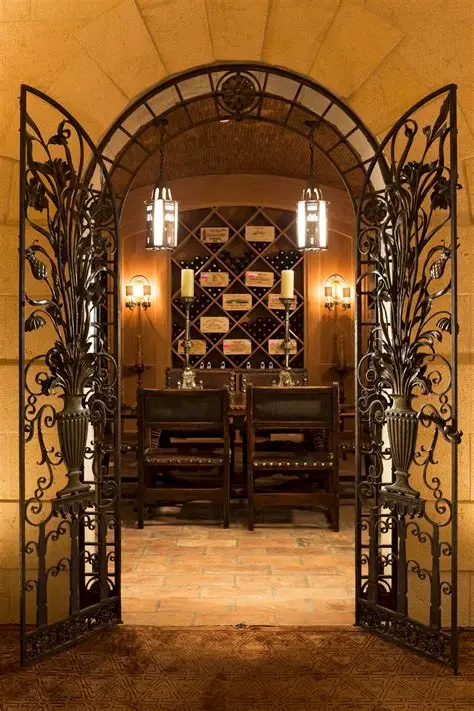
A wrought iron wine cellar door is the first thing anyone sees. Here is what to specify, glass, seal, and why interior doors skip the thermal break, before you order.
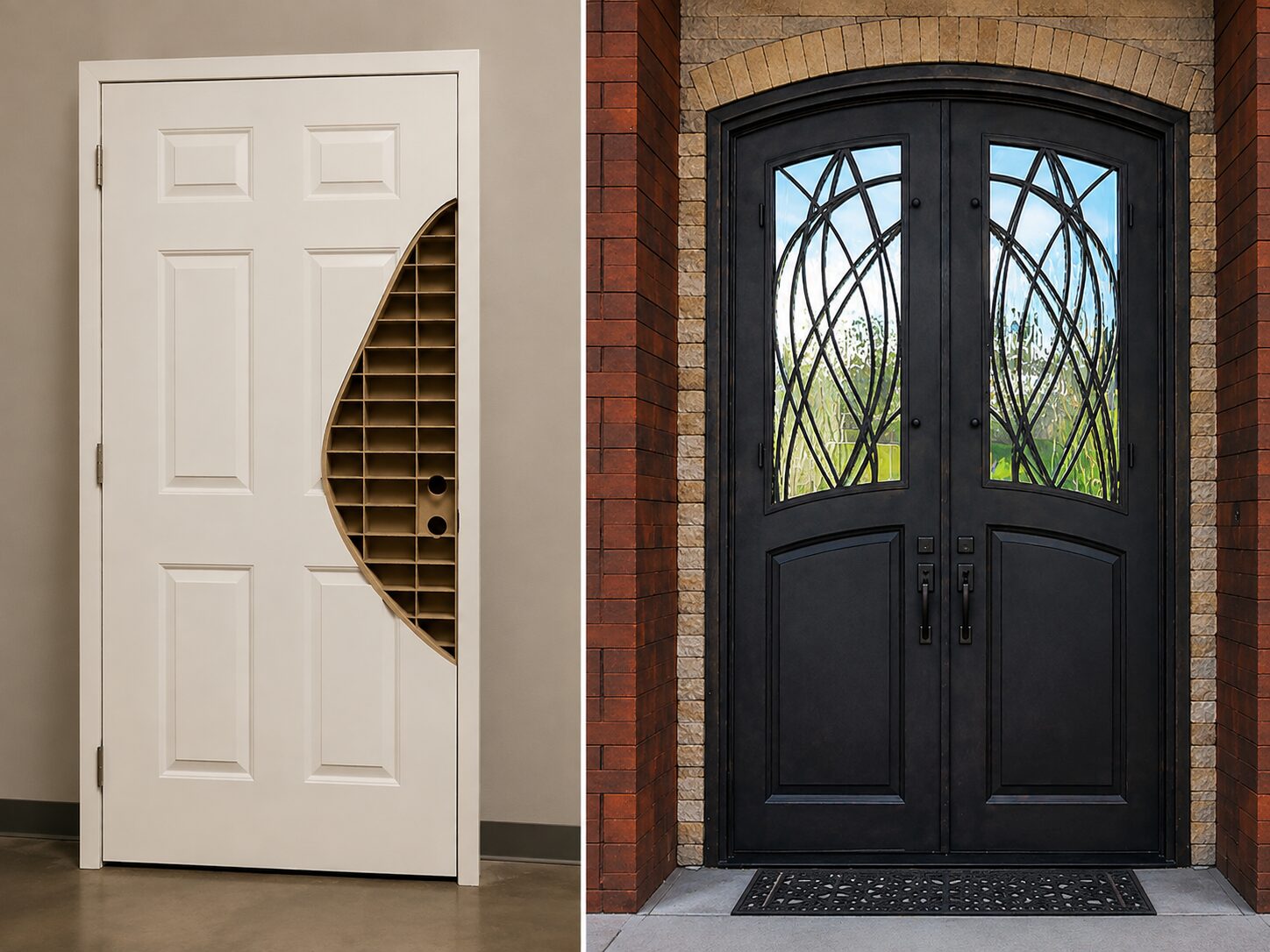
Iron door vs steel door: what separates a stock steel entry from a custom iron door, and which one fits your home.